Small Bathroom Ideas: Smart Space Saving
By
Logan
Published
January 19, 2026
Read Time
5 min read
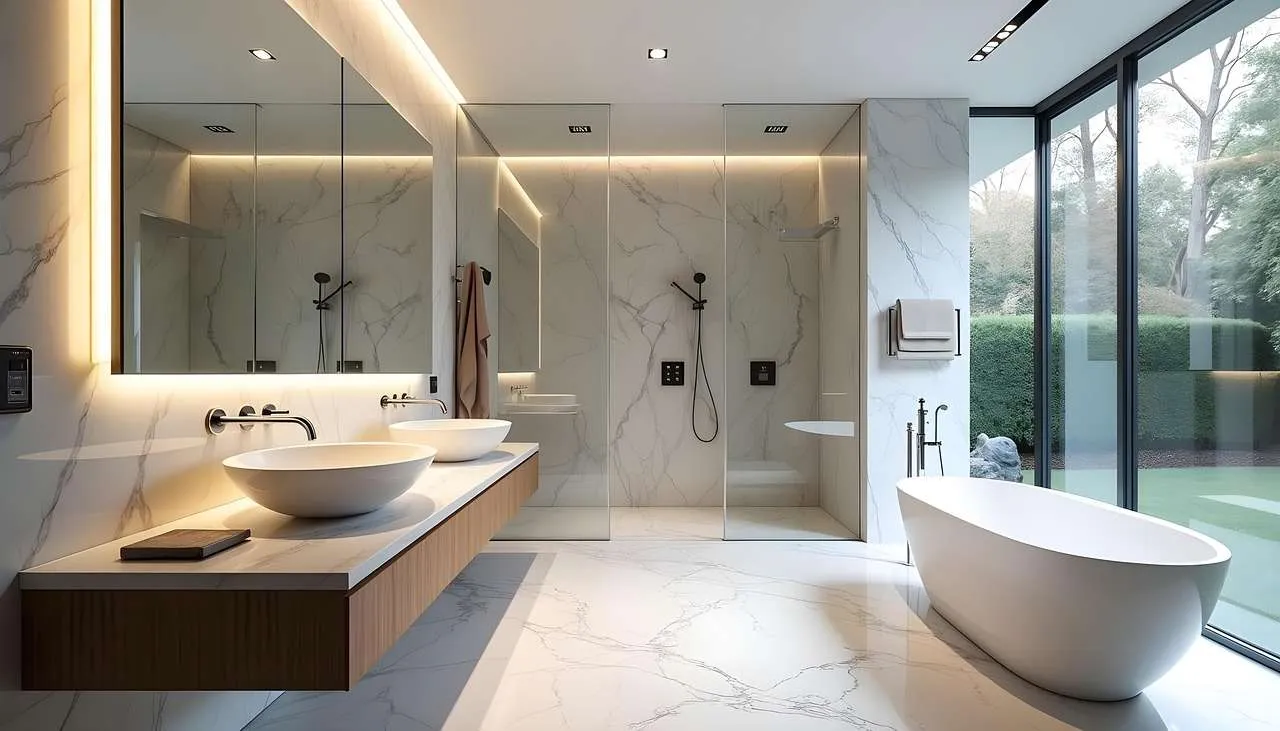
Introduction to Small Bathroom Ideas
Small bathroom ideas focus on transforming tight spaces into functional, comfortable rooms without sacrificing style. With ten years of interior design and bathroom remodeling experience, I’ve learned that the right layout, fixtures, and finishes can make a big difference. This guide covers proven strategies to maximize layout, storage, lighting, and finish choices while keeping the project practical and within budget. If you’re tackling a compact bathroom, you’ll find actionable recommendations you can apply in real life, not just theory.
Space Planning and Layout
Efficient floor plans
Begin with a floor plan that emphasizes a clear traffic pattern and minimizes wasted square footage. A rectangular room is easiest to optimize; place the shower or tub along the longest wall and the vanity opposite it. If possible, consider a pocket door or a sliding door to reclaim precious doorway swing space. Even small changes like removing a bulky cabinet above the toilet can free valuable inches for better circulation.
Zones that maximize usability
Divide the room into three zones: cleansing, storage, and preparation. A recessed niche in the shower for shampoo and soap keeps horizontal surfaces clear. A wall mounted or floating vanity creates the illusion of more floor space, while a toilet with a compact bowl reduces footprint. By planning zones, you reduce clutter and create a calmer, more efficient bathroom even in as little as 18-28 square feet.
Smart Fixtures and Fittings
Compact vanities and sinks
Wall mounted or pedestal vanities with integrated sinks provide storage without overwhelming the space. Choose slim drawers or pull-out organizers to maintain a clean look. If you need more counter space, a narrow console vanity with open shelving can be both practical and stylish.
Shower solutions that save space
Consider a corner shower or a neo angle enclosure with clear glass to visually expand the room. Curved or framed doors can minimize footprint, while built-in niches keep toiletries off the bench and walls. Favor walk-in showers with a glass partition instead of a door to maintain openness and light flow.
Toilet options for small baths
Choose a compact or wall-hung toilet to free floor space and ease cleaning. A shallow cistern or skirted tank reduces visual bulk, and a bidet attachment can provide added comfort without expanding dimensions.
Storage and Surfaces
Vertical and recessed storage
Maximize vertical space with tall, slender cabinets, recessed medicine cabinets, and floating shelves. Recessed shower shelves or built-in benches use space efficiently without intruding into the room. Use corner shelving to avoid blocking traffic flow.
Durable surfaces and light-reflective finishes
Opt for moisture-resistant materials such as porcelain, ceramic, or quartz countertops. Light colors and high-gloss or satin finishes reflect more light, making the room feel larger. Large-format tiles with minimal grout lines reduce visual clutter and simplify cleaning.
Lighting and Color Strategy
Layered lighting is essential in small bathrooms. Combine ambient lighting with task lighting around the mirror and accent lighting to highlight architectural features. Use daylight-balanced LED bulbs to create a bright, inviting atmosphere. Mirror panels and glass surfaces amplify light, while soft, cool neutrals with a few bold accents can give the space a modern, expansive feel.
Materials, Budget, and Durability
Plan according to budget with a focus on durable, water-resistant materials. Porcelain and ceramic tiles offer longevity and easy maintenance. Quartz countertops are both durable and low maintenance. If your budget is tight, prioritize fixtures and storage over luxury finishes, and consider refinishing existing elements to refresh the space rather than full replacement. Choosing standard sizes and modular components often reduces installation complexity and cost while delivering a polished result.
Real-World Examples and Case Study
Case Study A: A 5x8 foot bathroom was upgraded with a wall-hung vanity, a corner shower, and a recessed medicine cabinet. The result: improved floor space, easier cleaning, and a brighter feel thanks to a larger mirror and lighter color palette. Case Study B: A rental unit used a glass shower enclosure, white subway tiles, and a narrow floor-to-ceiling storage cabinet to create a modern, airy impression while staying within a modest budget. Both illustrate how thoughtful fixture choices and smart storage can dramatically improve functionality in small baths.
Quick Compare Table
| Option | Pros | Cons | Best For |
|---|---|---|---|
| Wall mounted vanity | Free floor space, airy feel | Requires plumbing access, stability concerns on uneven walls | Small spaces that need openness |
| Corner shower | Maximizes usable area, minimal intrusion | Custom tiling may increase cost | Tight baths with a shower preferred |
| Recessed niches | Keeps surfaces clutter-free | Requires precise installation | Low-profile storage |
| Glass doors | Opens sightlines, reflects light | Water spots require maintenance | Bright, open bathrooms |
Final Thoughts
With small bathroom ideas, the path to a more functional and attractive space is about precise planning and careful selection of fixtures, storage, and finishes. Start with a clear plan, invest in a few high-impact pieces, and keep traffic flow in mind. While every bathroom has its unique constraints, the right approach will deliver a space that feels larger, cleaner, and more enjoyable to use.
Conclusion, applying space saving layouts, compact fixtures, and durable materials will transform even the smallest bathrooms into calm, functional retreats suited to daily life. By focusing on practical storage, light and color, and thoughtful detailing, you achieve a stylish result that remains easy to maintain and enjoy.